Search Results
195 results found with an empty search
- TELEPATHY Lesson II
Acrobatics In my last blog, I mentioned that our program requires one to use telepathy. We must become accustomed to replacing physical energy with mental energy. An understanding of life is needed to complete this task. We must realize that in its minute form, all things consist of the same substance. If you have been active doing physical exercises in the past, you will take to our acrobatics program as a fish takes to water. Others will need a little coaching. Nonetheless, our program is quite user-friendly. We will endeavor to make your journey as pleasurable as possible. I will not be specific as to what exercise that we will be recommending. Individuals have their preferences. We will steer you to places that will afford you the necessary guidance. In this blog, we have provided a YouTube video to whet your appetite concerning available exercise programs. There are many others. You choose. We believe, however, that simple exercises, i.e., pushups, sit-ups, leg-spreaders, and the like, will be perfect. Remember when all is said and done, we will only be completing these exercises in our minds. I will explain the reason for this later. MATTER NOUN The physical substance in general, as distinct from mind and spirit; (in physics) that which occupies space and possesses rest mass, significantly as different from energy. ATOM [ˈadəm] NOUN atoms (plural noun) The basic unit of a chemical element. We have discovered that all things consist of atoms, inclusive of matter. We have learned to control the direction of energy through mental mimicking of physical life. Life consists of the constant movement of energy. Telepathy is the insertion of mental energy into the physical realm. We accomplish this by our using our telepathic ability to channel words and actions performed by others. We can determine the intensity of the energy extracted by the position of influence a person holds in society, and the egregiousness of the act or statement performed. In recent years we have escalated our program. We have discovered an unusual amount of negative energy that has presented itself in the past four years. This was alarming, but we later determined that it was the best thing that could have ever happened. Negative energy cannot develop in a vacuum. Humans did it. We are not smart enough to determine what happens to the donors of negative energy. We have discovered that channeling and preserving this energy in a safe place, harnessing, is compelling. Now we are capable of converting this energy into positive “wherewithal.” Like my brother-n-law frequently said: "Its good for what ails you". Warnings An axiom that should always be remembered is that we cannot fight evil with evil. Information that we will be providing cannot be used for revenge. It is a tool to make the world a better place. Not a weapon to escalate evil! For centuries select members of our society decided that “airing dirty laundry” was self-destructive! In past years, however, there has been a trend to dispense with ideas of the elders. A group of bold, unscrupulous old men have decided that doubling-down on centuries of pain and anguish perpetrated upon innocent people, was the right thing to do. Many other misinformed people joined them. VOILA! We have found it! Prominent people are using it vociferously! Some say, “when they go low, we go high.” Still, many are missing the point. Someone has made a discovery that can change the course of world history. Not me, but I am going to ride the boat on in. Please read this blog twice! Once you get my drift, the remaining journey will be delightful. Once you re-read this blog, focus on (mentally) completing the exercises for which you are familiar. You may wish to revisit doing these exercises physically. Doing so will enhance your brain to memorize these exercises more precisely. I promise you that you will not be required to perform endless physical activities to complete this program. Relearning past exercises is only temporary. Once you can telepathically learn these exercises, I will show you how to bend the mental into the physical. Bare with me, and I will take you to a place of confidence. Until we meet again in my next blog, stay tuned. Do not concern yourself about compensation when sharing this most valuable information. That's gratis! Once you see its affect, you will keep on giving just like me. It’s my mission, and it will soon be yours.
- No Mental Energy aka NME
NME is the enemy for those desirous of being free. We can say what we will or may, but we must consider that lack of reason cannot be at hand, when one programs his child this he must understand. With illicit thinking, you foolishly believe that programing your children will help you deceive your forefathers' misgivings and torturous hands, that have enslaved millions of people and stole countless of acres of land. His story he always tend to hide, leaving his children with a false sense of pride. He attempts to impress and fool the world with his story, but he always tend to steal everyone else's glory. Some are sad. Some are mad. Others reject it. A few say it's bad. What ever it is, one thing that we can say, is that their children will learn everything on the Internet anyway. When they do they too will see and understand exactly what it means, when they say the old slave slogan “Who spilled the beans”? Who spilled the beans, who, who, who spilled the beans. You tell me. Who did it, who did it who, who, who. By John E Head
- Tune into the Right Channel
Click Here to Listen Channeling For one to obtain accurate intelligence, he or she must be tuned on the right channel. Eons before television, the most common way to stay in touch with the outside world required the use of a radio. Radio usage require skills to locate individual stations. Radio station frequencies are high and low depending upon various conditions such as weather, location, and equipment used to capture the radio signal. Although radio equipment can range from a transistor to an entire radio station, still one must select the proper channel to get the desired results. This is also true when channeling NEGATIVE energy. There is one common denominator that remains constant whether one uses a transistor radio or a more elaborate radio. That common denominator is proper channeling! To enable the radio to function as expected, the user must locate the specific channel that pertains to the user's desires. The radio operator can then enjoy the particular station desired, whether the radio is for entertainment, work, or a simple means of staying in touch with the current events. Channeling Evil (negative energy) Channeling evil energy is very dynamic. If the evil is not on the correct channel, then one cannot harness this evil for conversion purposes. This evil is not properly directed. It could be intended for someone else; It could match another group of people. A misunderstanding of this evil act or statement could have occurred. T There are many reasons why evil is extended i.e. hate, bigotry, prejudice, racism etc. It could be intended for someone else. Negative energy cannot be converted if directed to someone else. Leave misdirected negative energy for others. Harness and convert negative evil energy directed to YOU exclusively. Otherwise, you will never accomplish the conversion process. Harnessing The standard definition for harnessing is: control and make use of (natural resources), especially to produce energy. synonyms: control · exploit · utilize · use · make use of · put to use · render useful · make productive · turn to good account · channel · mobilize · to employ · apply · capitalize on Harnessing is all of the above. We like to use the synonym "utilize." Therefore our harnessing process is a process of utilization. Once we have moved negative energy into the harnessing stage, we then have complete control of this energy. Control is tricky. Therefore we must use strict principles in handling harnessed negative energy. Mental Telepathy Up until this point all of our actions taken heretofore has been cerebral. We have included little physical demand. We have taken actions that are mostly mental actions - channeling and harnessing. We can store an enormous amount of mental imagery within our brains. The conversion process, however, requires us to use telepathy more so. Telepathy requires imagination. Telepathy is defined as: NOUN the supposed communication of thoughts or ideas by means other than the known senses. synonyms: mind reading · thought transference · extrasensory perception · ESP · clairvoyance · sixth sense · psychometry We will provide the necessary mental acrobats to enable mental pictures to be created in your mind that will open your mind completely for a journey to total success. The physical realm will be emulated in our exercises. The entire process should be complete and operational within two to three weeks for most people. It depends upon desire, not money. If money is your desire, then yes! This process will enable you to complete tasks that you never dreamed of completing. The good part is you will be using converted energy from a source that is most powerful and at this juncture in great abundance. We must pay homage, however, to those who have been brave enough to come from under their rocks, sheets, shells or whatever to expose their evil! Now the planet knows the entire truth! These recently unveiled evildoers have confirmed exactly what has been hidden for many years. They have defined themselves! By them doing so, they have released many from a curse that has been haunting our entire nation. Now that we know the TRUTH, people of good will can now can lean forward and make a reasonably accurate choice. My next blog will unveil our first steps to freedom! This next blog will provide our readers with the necessary brain exercises to begin the process of converting NEGATIVE ENERGY into POSITIVE WHEREWITHAL that will engage us all to take total control of our lives forever! Just John
- Thank You, FEMA
Click Here to Listen Albeit this report was created on the day that hurricane Katrina hit the shores of New Orleans, we are now experiencing the positive effects of the negative energy conversion that I have been constantly discussing. The natural conversion of negative energy into positive resolve is profound! Do not miss our sporadic. but timely reports that we will be providing. It will enable you to convert this barrage of negative energy into positive wherewithal. An Addendum To Insight Contrary to the intended outcome, the American government's FEMA program's feeble attempt to rescue dehydrated and starving Hurricane Katrina victims in New Orleans has rekindled an energy source in black people once thought lost or diminished forever. Adversity Brings About Strength Millions of people watched speechlessly and in disbelief as the U.S government, the most powerful country in the world, allowed three or more generations of predominantly black citizens remain isolated for five days in the New Orleans Astrodome without food or water. Ironic as it may seem most Black Americans benefited greatly by the New Orleans incident whether they know it or not. Below I will explain why. The Never-ending Gift Ancestors of American slaves have a built-in six sense that is not present among those whose ancestors were born in freedom. It goes unspoken, but most black people's strength comes from the “belly of a slave ship”. The majority of black Americans understand that had it not been for the unusual strength and resilience of their ancestors, black Americans would not exist in America. The majority of blacks are aware of the fact that when coming to America, their ancestors were forced to perform a task that no other human beings had ever attempted. The ones that were successful in accomplishing the task were required to be far superior mentally, physically, and spiritually than any other human-being known at that time. To this date, no other human has been asked to endure a task so rigorous. To add to this perfection, those who endured the test were bred to produce an even superior offspring. Blacks are aware of the reasons for rhetoric stating how their ancestors were sold into slavery by fellow tribesmen. This rhetoric is truly irrelevant and falls on deaf ears in the black community. Slavery is kept in the closet and mostly suppressed. Some blacks feel it to be too painful and humiliating to lay on the table for discussion. The New Orleans incident, however, allowed blacks all over the globe to look directly into the faces of their ancestors. We saw the pain, confusion, fear, and humiliation that our ancestors faced prior to being shackled and taken away from their ways of life. The New Orleans Katrina incident has touched the hearts of many people, especially black Americans, and has served as a friendly reminder of our vulnerability. Regardless of how other races may have viewed the New Orleans incident after Katrina, most blacks, even if for only a short moment, reflected back to historical events that have provided energy for their existence. It has been predicted that this rekindled energy in blacks will produce even more outstanding black Americans. There was more than one race of people in the Astrodome in New Orleans during the Hurricane Katrina disaster. Unfortunately, or fortunately, as the case may be, most of the people that endured these horrific events were blacks. Black people in America are the same as any other race of people. God, however, has been very watchful of, and generous to his people regardless of race creed or color. This is the reason why few casualties existed even after 5 grueling days of neglect. We are sure that the New Orleans Katrina aftermath will also open the eyes, minds, and hearts of all races of people that endured this tragedy. · What Difference Does It Make? Some called it racism. Others called it neglect, poor choice of leadership, or lack of preparedness. What difference does it make? Rhetoric dispelling claims of racism has been so well orchestrated in our society until whether the issue is racism or not, there is always ample support to rule either way. The outcome is always determined by the press. Unfortunately, the press is controlled by the powers that be. The press leads us to believe that American society has all but eliminated racism, or made it much less offensive. Whether racism is only perceived, or real, is obviously of little concern to those pulling all of the strings. The Feline Is Now Out Of the Sack It really doesn't matter how or why a black person has been programmed by our system here in America. Deep down in their genes that experience that is not common to other Americans - slavery is the fuel that ignites the energy that propels blacks to excellence. Slavery is the dynamic force that has brought out the best in black Americans over many years. Blacks in America have received a wake up call reminding them how vulnerable they are to conditions that could be parallel to slavery. Blacks now understand how vulnerable they are to conditions that can affect their health, safety, economics, freedom and/or birth and death. The F.E.M.A bungle has made black people all over the world realize (whether true or imaginary) that they must once again cast off shackles of the past. This is why we thank F.E.M.A for their efforts. This wake-up call was much needed. Black Economics Blacks are not as naïve as most think. At least 90 percent of all blacks realize that what happened in New Orleans was an economic-related issue. Let us face reality. If those left behind had money, they too could have easily jumped in a motor vehicle and left town the same as others. Most people that remained behind simply did not have the dough to get out of dodge. Nevertheless, blacks whether imaginary or real, still believe that their economic conditions are tied to racism. Economics is the issue. Now all of the anger that was once directed to violence, marching, and begging can be diverted to improving physical, mental, and economic strength. Blacks can now use their vivid imaginations to excite their God-given abilities to recognize how to better their conditions. The good part is, regardless of what is believed by others in our society, blacks can now harness energy from their ancestors and direct it to a positive economic solution. A Turn for the Better Now blacks can once again turn humiliation, disdain, racism, or even a false perception of these things, etc. into genuine positive energy toward a common economic goal. There is now a new crop of blacks that easily reflect back and gather strength from their ancestors. They too have seen the mark of oppression. The Beginning The Internet can now be effectively used to greatly improve the economic conditions of black people. After all is said and done, the buying power of black people in America is equal to that of the entire country of Canada. Anyone wishing to become well-to-do can easily improve his or her economic conditions by following very simple, yet inexpensive steps using mental power to improve their conditions. We have a plan. We will not divulge the entire program within this writing, but if interested and you really feel us, please visit us at: http://www.ageofmentality.com and get a free copy of our Newsletters, and you can also present your point of view on our discussion forum. Thank you, F.E.M.A, and later President Trump for reminding us once again of your "compassion"! We had high hopes that things were vastly different. Nonetheless Nature (God) has provided us immediate alternatives. People all over the planet can now use NEGATIVE hate, bigotry, and racism as a very reliable resource to be converted into POSITIVE results. Thank You and God bless, Just, John
- Laws of Reciprocity
Laws of Reciprocity Prevail Some call it The Law of Reciprocity – and it says that when someone does something nice for you, you will have a deep-rooted psychological urge to do something nice in return. You may even reciprocate with a gesture far more generous than their original good deed. Some call it a "bargained-for exchange," others a "quid pro quo." A baby can follow these statutes. One need not be brilliant to understand the rules of reciprocity. Nevertheless, many of us still miss the point. Some would rather see the entire planet Earth suffer because of misplaced ideology. Wouldn't the Earth be a more safe and enjoyable place to live if a simple majority of us embraced these universal laws to guide us? Turn Around Your Thinking We have reached a horrible place in our world! But, we must study our children to turn this around quickly. We can now learn more from children than we can teach them. Computers, artificial intelligence, robotics, and only God knows what provide our children with more knowledge than a parent could ever provide. There have been many literary works explicitly designed to address how we can make the most out of the universal laws of reciprocity. Likewise, most religious treatises contain passages that indeed slam home points that enlighten us. However, it is sad to say that many who live by the sacred words of religious documents fall short in using these words of wisdom to make our world a better place to live. Once we understand that giving is more important than receiving, we can all start benefiting from reciprocity laws. The Cure First, we must cure ourselves of the disease of selfishness. Many who have lost employment and suffered through economic downturns are now realizing the benefits of reciprocity laws. When one needs to provide food or shelter for his or her family or overcome a severe illness, we become more pointed. Yet, it's hard to forget the hand that feeds us. Once we have recovered from our downfalls, regardless of what they may have been, acts of generosity that lifted us during our trying times remain in our minds. We then become an accelerant to propagate the laws of reciprocity. As a result, many that once opposed governmental health care laws and legislation that placed food on their tables are now becoming more aware of the importance of these rules. Most of us wish not to receive. We prefer to give. Giving is what makes the laws of reciprocity so dynamic. Businesses that effectively use these rules of exchange can influence the world to become a better place for us all. Get our newsletter HERE!
- "Deliver Us from Evil"
I had little freedom but plenty of love from my family, parents, and friends when I was a child. This environment sustained and protected us. It seems like forever I have listened to and heard others pray for the deliverance of Evil intensely. I once was so naïve until I believed that this deliverance would come by my simply praying. My mother had huge faith! She constantly read her King James Version of the Holy Bible until she believed in miracles. She had difficulty explaining, however, our position in life as black people. I stopped asking when I was ten because it hurt me to see the pain on mom's face every time I asked. I lied! I said Mom I didn't want to go swimming anyhow. I just wanted to know why I could not go. This deliverance from Evil thing was not something that important to me during early stages of my life. I was blind to Evil and just about everything else. Although I experienced some unusually horrific situations, and saw some perverse sights during my childhood, I could still not for some reason associate them with Evil from a biblical perspective. At that time, I thought of sin as having something to do with the devil. Boy, was I wrong! Period of Enlightenment I served four years in the Marine Corps and processed some real crazy stuff in my head while in Viet Nam also, but I still could never associate it with Evil. On the contrary, I believed that it was my duty to protect my country from its enemies, foreign or domestic. If I had to kill someone or die doing it, then so be it. I was proud as could be and a United States Marine, and that was my job! My being part of the United States government was special to me and still is. Although somewhat disappointed, It makes me feel good until this day! Disappointment I was feeling good! I Just hit LA from Nam, still alive and have both of my legs. Looking pretty, in my dress green uniform, I was carrying my sea bag, walking down Flower Street singing loud, headed toward Western Union to pick up some of the dough that my mother held for me while I was in the war. Then, from nowhere, this guy approaches me, clears his throat, and spat in my face. He called me a killer! I would be in jail right now if I could have caught this guy because, at that time, I was not thinking very straight when it came to fighting. Later I discovered that people did not like people that served In Viet Nam. I was fit to be tied! I felt that if there was a definition for Evil, this was it. I was so angry until I sat on the sidewalk downtown Los Angeles and cried. I would not let my anger stop me however. I sucked it up. It made me more determined. Right then, I walked into Western Union and I applied for a job. They hired me immediately. I started work that same evening. I wondered how that happened all in the same moment? It was somewhat difficult for me to rent an apartment. I was naïve to believe that wearing my Dress Greens would enhance my obtaining an apartment. That trick did not work! Later, to my chagrin, I stopped wearing it. My bubble was popped quickly. I discovered that I was still a second-class citizen with little value regardless of my patriotism. I finally located an apartment in a very depressed area of LA right across the street from a funeral home. Perhaps this was best. I learned a lot. Alone In That Great Big City I was all alone, with no relatives or friends in this great big city. I knew nothing about living in a town. Except for a few places in the Corp, I had always lived in the coalfields. So I had a lot to learn. I hit the jackpot! I met Doug! Doug an I had similar family history. He loved his family and we talked about them often. Doug was a city boy and he took great pride in teaching me, the old Hillbilly, the ropes. He has been my friend ever since. Doug and I attended the same college; we worked at the same jobs, and later run the same successful business for 20 years. Both of us learned something vitally important in our Black History class on the same day at the same time in 1974. It changed our lives! We learned about Willy and Jimmy. Doug and I discussed these two characters for many years. Many are unable to even listen to Willy's message in his letter without total dismay. Doug and I used it as a stepping stone because we realized that we were the targets in Willy's letter. Willy was talking about us. He also seemed to love Jimmy. You remember James, the one my mother loved so much? Doug and I determined that Willy and Jimmy seemed to have the same plan in mind. After learning this, we stepped out of the box. We were children. We had to learn. "He who knows not but knows that he knows not is a child – Teach him! I finally learned about Evil. I did not know where to find the delivery mechanism, however. Remember "Deliver us from Evil"? I needed to find it. Eureka! It took many years to locate. It came little at a time for many years, after serious examination of past events. First, I studied Willy's plan, and then I scrutinized Jimmy's version of things that my mother loved so much. A light came on! I stopped, looked, and listened to all contributors. So many were prophets living among us. I remembered! "A prophet is not recognized in his own land"! They told stories about "spilling the beans" and other statements and axioms of yore that lifted my spirits to yet another level. Their language was so much clearer after I had read Willy's letters. It now makes good sense. Words of wisdom shared with me in front of a coal-burning fireplace have become the most important words that I have ever heard. They unveil the truth! They always said: "The TRUTH will set us FREE! Now it is available in living color 24/7/365! Thank God! The Good Part Some have done everything that they can to prevent transparent history in America. Many of us already know why. Unfortunately, many have been so programmed until they cannot handle truth, therefore they attempt to hide their history. Nonetheless, nature and God has provided clarity by imbedding a vaccine deep in the genes of the most tortured of human-beings whomever they are! Now we all have the opportunity to release ourselves from a subtle curse that is so self-destructive. Nature has laws and we must all obey them! Many years have been in the making for nature to create a vaccine against Evil. We are blessed to be part of a group of people to make this all possible. Although our ancestors bore a heavy burden for this blessing, it is now available for the entire planet to enjoy. It has taken God and Nature more than 400 years to release this sublime product that will "deliver us from evil"! God and nature has a balance that we can always depend upon and never worry. Our blessings will be available for the world to see! We know that we know – Follow us. www.ageofmentality.com
- Channel Negative Energy
We are not alone! People are awakening to a new way! They are no longer fearful of that which has held many of us captive for so long. Channel Negative Energy! People are awakening to a new way! They are no longer fearful of that which has held them in captivity for centuries. Lies, mistreatment, hate, and other forms of evil are now welcome with open arms. Why? Someone has made a discovery that is quickly becoming standard operating procedure for the wise. I posted a YouTube video on this blog to explain how others feel about this information that I will share with you. Please view this video, and perhaps you will be more intrigued with the gentleman's process in the video than ours. We are not selling information about this so vital project. We want you to have it however you obtain it. It is vitally essential for our existence. We will be providing you with information so valuable within just a few months; this information will be worldwide. I cannot say that the information that I am sharing is new. I can say, however, that it has been more recognizable in the past few decades. I can recognize many figures that fit the script for this information, but I cannot verify this. In my last blog, I explained the meaning of Energy for our purposes. Now we must explore Channeling. Channel [ˈCHanl] VERB channeling (present participle) direct toward a particular end or object. "advertisers channel money into radio" synonyms: convey · transmit · transport · conduct · direct · guide · bear · carry · relay · pass on · transfer guide along a particular route or through a specified medium. "many countries channel their aid through charities" synonyms: convey · transmit · transport · conduct · direct · guide · bear · carry · relay · pass on · transfer (of a person) serve as a medium for (a spirit). Our channeling efforts include conveying Energy from one human being to another and converting it in form. This channeling process demands discipline. This discipline comprises mental exercising the mind to mimic physical activity. Channeling also has its prohibitions! The rule of thumb is, you cannot combat negative Energy with negative Energy. Humans can successfully transform Energy from one form to another exclusively. Our next Training Blog III will be available soon! If you have not done so, please peruse our website and become informed!
- Consumer Power is the key to democracy!
Have you seen enough? Most of us have just about seen enough! There have been too many lies told. It doesn’t take a rocket scientist to see what is occurring. Money for low and middle-income people was once quietly disappearing. Now it is disappearing with a very loud voice. Lower and middle-income people are in serious trouble unless we stick together. I am just keeping it real! The Money Grab is On There are few solutions now available to reverse the trend of the money grab by the wealthy. Most politicians are supporting the wealthy in some way or another to enable their election or reelection. These politicians help those that donate to their campaigns. We can cross them off of our help list if it conflicts with these politicians helping their big money contributors. The dough is much too tempting. They hold their noses and look the other way. Have I left out anyone? The money grab is very real! Who do you believe that billionaires will help? Many laws are being passed to provide more clout to the wealthy? Rest assured that favors for campaign donations are quite common. There are a few things that we can now do about this. We Still Have The Juice Brothers, and sisters we are on our own. We must take matters into our hands and alter our purchasing habits if we are going to survive this thing. We must trust each other. We are in the same sinking boat. We must now use what’s left of our shrinking purchasing power very wisely. Make purchases from those that support us exclusively; Buy from our fellow members at all cost; Avoid viewing advertising without getting paid. Discipline Is The Key To The Condo These things are much easier said than done, but we have sent out a “Hail Mary” and made diligent efforts to do something about what is happening. Maybe later we can get recognition from our purchasing power exclusively. Missing dollars always get their attention. Check out our free Newsletters!
- Transformation of Energy
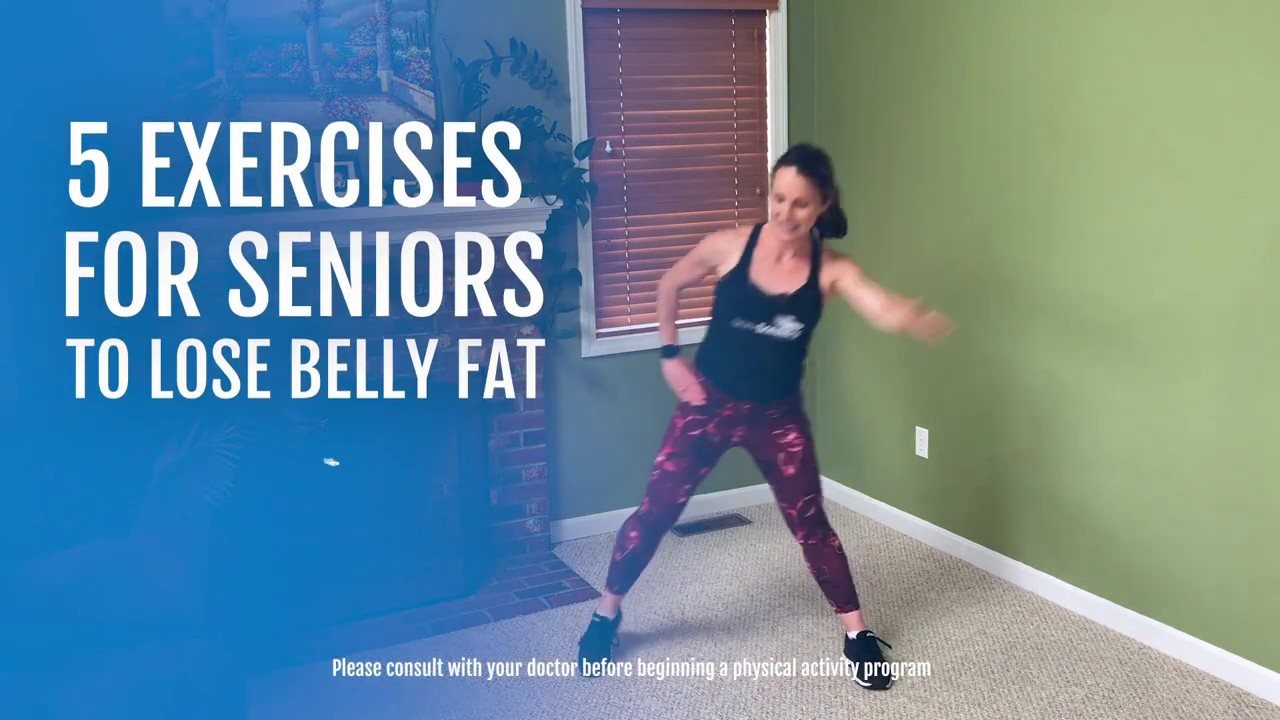
Various Types We can find energy in many places and in many different forms. It is the essence of all life forms. It is of utmost importance that one understands that this power is transformative. In this blog, we will share techniques that we use to transform mental energy into physical seamlessly. Once our students are aware of the power that can be harnessed by merely making slight adjustments to their thought processes, their missions will be less strenuous. Wise people have said that birds of a feather flock together. We are saying that energy that circulates within a particular atmosphere belongs to that atmosphere. This power is omnipresent and multi-scalable. One must be able to imagine it as if it were the air that we breathe. Still, it is so malleable until it can take on any form. It can be invisible as the air we live, or as obvious as a hurricane. Its whereabouts can be unknown and very present simultaneously. Exercise II Humans can now erase the blur between the mental and physical dimensions by performing a few mental acrobats. These acrobats prepare the brain for a merger that strengthens mental and physical acuity. I asked you to recollect old exercises that you have performed in past years. If you did not complete any in past years, select some simple exercises from YouTube or other sources. We will be adding helpful videos within our video lounge. You may visit this lounge by clicking upon the "Media" link on our main site. Attempt to complete these exercises mentally if you are unable to perform them physically. However, a few physical attempts of performing this exercise will enhance your ability to experience the stress thereof. First, get very comfortable, whether in bed, on the floor, or sitting in a chair. I want you to imagine performing at least one selected exercise mentally. For each activity that you choose, I would like for you to complete 20 rotations. Later we will add more. Complete these exercises at least once daily—the more, the merrier. I will be providing you with more information weekly. Stay tuned!
- Harness Mental Energy!
Many have taken advantage of the gene mutation information that I provided in my prior writings. Physical, mental, and spiritual energy can be obtained more easily during our current social and political environment. Hate, bigotry, and racism are in the air, but this is fine. For this is the fuel for harnessing unlimited energy for those with very special abilities. It is now time for those that possess the special gene mutation to take their energy usage to a new level. The timing is right for the Age of Mentality. There have been far too many examples of what harnessing physical energy can provide. The physical abilities of many star athletes are cases in point. We have now reached a new level. This fresh new fodder that has been concealed, obscured and hidden for many years is now in the open air. Even our elected officials are buying into racism. Bigotry or rumors thereof wrapped in pretty paper and obscured by pretty words will no longer deceive us. Open bigotry and hatred are immediate accelerators. How could we miss it? It is REAL and in our faces. ESP, clairvoyance, telepathy, and telekinesis are the new objectives targeted. We have some excellent instances of these attributes on display as I write this blog. The process of harnessing mental energy is somewhat familiar to those that have already mastered harnessing physical energy. The transition is quite straight forward. I will be providing steps that enable readers to expand their physical abilities by simply using a stress-free mental process. These steps will be the initial process necessary to expand the mind through energy conversion similar to splitting an atom. Our next Age of Mentality Newsletter provides the necessary steps to ignite the program. Following editions will continue to release more step by step instructions until completion. This erudition will enable participants to acquire great acumen's as a result of their indulgence. The universe will be your only limitation as the universe is true and fair. Also our previously mentioned called pseudo-science will prove its worth as it is unique, original and unhampered. It has been a very long journey, but good things are in our future. We will be featuring an exclusive section in our monthly newsletters that will provide step by step instructions how to expand physical and mental energy through a newly unveiled technique. This technique explains how to harness fuel for physical and mental energy extracted from negative energy. THIS INFORMATION COULD BE VITAL TO YOUR SURVIVAL!
- Elephant in the Room of Health Care
There has been little mention of collections, scheduled fee controls, debt write-offs and other important factors in the debates about repealing and replacing of the Affordable Health Care Act. Adjusting these items can drastically change healthcare costs in the United States. The Good Samaritan Laced in the American hospital system is a notion of the Good Samaritan. Americans do not leave its citizens on the streets to die when in need of medical care. There are many charitable hospitals and medical facilities all over our nation. Some are religious, and others are facilities of mercy provided by the generous donations of our citizenry. Title XVI Title XVI of the Social Security Act offers specific protections for aged, blind, and disabled persons. American citizens frequently fall through the safety net and become inpatients in medical centers without visible evidence of medical insurance, or possess an insurance policy whereby an insurance company has refused to pay the medical bill as a result of the patient having a preexisting condition. An extraordinary amount of revenue is spent in this one area alone. Most individuals that have serious medical conditions rely on Title XVI medical coverage when their medical insurance policies rejects coverage due to preexisting conditions. Most of these individuals qualify for Title XVI coverage as they are either expected to be permanently disabled, or are expected to live less than one year. Bogus Insurance Policies? It is of little concern from whence a medical insurance policy comes if the policyholder possesses a preexisting condition. I know that there is a whole lot of talk about preexisting conditions in medical insurance policies, but there is little information available how a preexisting condition affects an insurance policy holder. Let's make it simple. For patients admitted into medical facilities through E.R.; time is very important! Who thinks about insurance when a patient is in helpless peril? Doctors go to work immediately. On many occasions, relatives are unavailable to provide insurance information. Some patients have medical insurance cards in their possession; others have no visible means of paying the medical facility. Most patients once stabilized, are admitted into to the medical facility dependent upon his or her condition. The patient then provides information regarding bill payment, if available. If the patient possesses a medical insurance policy, the hospital requests a "treatment authorization" for present and future services. If this request for treatment is denied and, if the patient possesses no visible means of making payment to the medical facility, this account becomes a collection account. If the medical facility is a charitable hospital, then it would be prudent for the medical center to transfer the patient to a government funded facility unless there are mitigating circumstances. If the insurance company denies coverage for a presented "treatment authorization request", and there are many reasons to deny a bill, then on most occasions the patient is later dunned by the in-house collection department of the medical facility for payment. If the insurance company does not pay this medical bill, or the patient does not pay within a stipulated period, the medical bill will be eligible for a write-off. This period is normally for about 90 days. Follow The Money Once the hospital writes off a bill, this is one justification for later increasing medical costs. Medical facilities also make assignments to collection agencies for a great portion of the medical bill once it is determined that the medical account will become uncompensated. Later clever medical collectors and consultants track down the patient, assist the patient in becoming eligible for a governmental benefits programs, or other charity programs that pays the medical bills for patients that fall through the cracks. Then these collectors and consultants bill these items to the government for the medical facilities and later identify these items on hospital "remittance advice's" from the payers of these medical accounts once a payment has been established. The lions share of the government's payment of the bill goes to the collection agency. Believe it or not, a huge amount of money is paid by the government for these medical bills that are hospital write-offs, a black hole where our hospital dollars are going. TAXPAYERS ARE PAYING FOR THESE MEDICAL BILLS AT HIGHER COSTS! It will be much cheaper to pay medical bills for all citizens. Free doctors and outpatient care will reduce expensive E.R. admissions thereby reducing costs measurably. The process is clear, but what is happening presently is most important for the patient, and for all Americans to understand. I will show you where your hospital dollars are going if you will read my free newsletter reports. Subscribe above.
- Mueller is pulling out the Skeletons!
The whole story is being told in this recording: Skeletons Skeletons in your closet Itchin' to come outside Messin' with your conscience In a way your face can't hide Oh things are gettin' real funky Down at the old corral And it's not the skunks that are stinkin' It's the stinkin' lies you tell, yeh What did your mama tell you about lies She said it wasn't polite to tell a white one What did your daddy tell you about lies He said one white one turns into a black one So, it's gettin' ready to blow It's gettin' ready to show Somebody shot off at the mouth and We're gettin' ready to know It's gettin' ready to drop It's gettin' ready to shock Somebody done turned up the heater An'a it's gettin' ready to pop Crevices in your pantry Now what do we have in here Havin' a daytime nightmare Has always been your biggest fear Oh things are gettin' real crucial Up the old wazoo Yet you cry, why am I the victim? When the culprit's why-o-you, oo oh What did your mama tell you about lies She said it wasn't polite to tell a white one What did your daddy tell you about lies He said one white one turns into a black one So, it's gettin' ready to blow It's gettin' ready to show Somebody shot off at the mouth and We're gettin' ready to know It's gettin' ready to drop It's gettin' ready to shock Somebody done turned up the heater An'a it's gettin' ready to pop It's gettin' ready to seep You're gettin' ready to freak Somebody done picked up the talk box We're gettin' ready to speak It's gettin' ready to jive It's gettin' ready to gel Somebody done gone let the lid off It's gettin' ready to smell They're gettin' ready to deal You're gettin' ready to ill Somebody done just dropped the big dime They're gettin' ready to squeal It's gettin' ready to turn We're gettin' ready to learn Somebody done fired up the brimstone You're gettin' ready to burn It's gettin' ready to shake You're gettin' ready to ache Somebody done snitched to the news crew It's gettin' ready to break You're gettin' ready to lie They're gettin' ready to spy Somebody's been put on the hot seat They're gettin' ready to fry!!!!!!! Read more: Stevie Wonder - Skeletons Lyrics | MetroLyrics